Two tattoos can be the same age, on the same person, and age like different species. The difference is usually style, and specifically line weight. Fine line work, all delicate single-needle hairlines and soft detail, is having a long moment. Bold work, thick outlines and packed color or black, is the traditional formula. Both are legitimate. They simply make different promises about year ten, and choosing between them in Charlotte, where summer sun exposure is a real factor in how ink ages, deserves a clear-eyed comparison before the stencil goes on.
The physics underneath is simple: ink sits in the skin, and over years the lines spread slightly and soften as the body and sun do their slow work. Styles differ in how much spread they can absorb.
| Factor | Fine line | Bold |
|---|---|---|
| Line behavior over years | Hairlines soften and can fade unevenly; very tight detail may merge as lines spread | Thick lines spread too, but have margin to absorb it and stay crisp-looking far longer |
| Detail capacity | Excellent when fresh, if sized generously; small dense detail is the highest-risk combination | Less suited to miniature intricacy; designs are built from strong shapes instead |
| Sun response | Light lines and soft shading fade fastest in ultraviolet exposure | Saturated black and packed color resist fading longer, though nothing is immune |
| Touch-up outlook | More likely to need refreshing over the years, and touch-ups on blurred fine detail have limits | Often holds for decades with minimal maintenance |
| Best canvas | Larger placements where detail can breathe, on skin that sees less sun and stretch | Almost any placement, including high-movement and high-sun areas |
| Cover-up friendliness | Light fine work is relatively easy to cover later | Bold black is the hardest work to cover, needing larger, darker designs |
What actually ages a tattoo
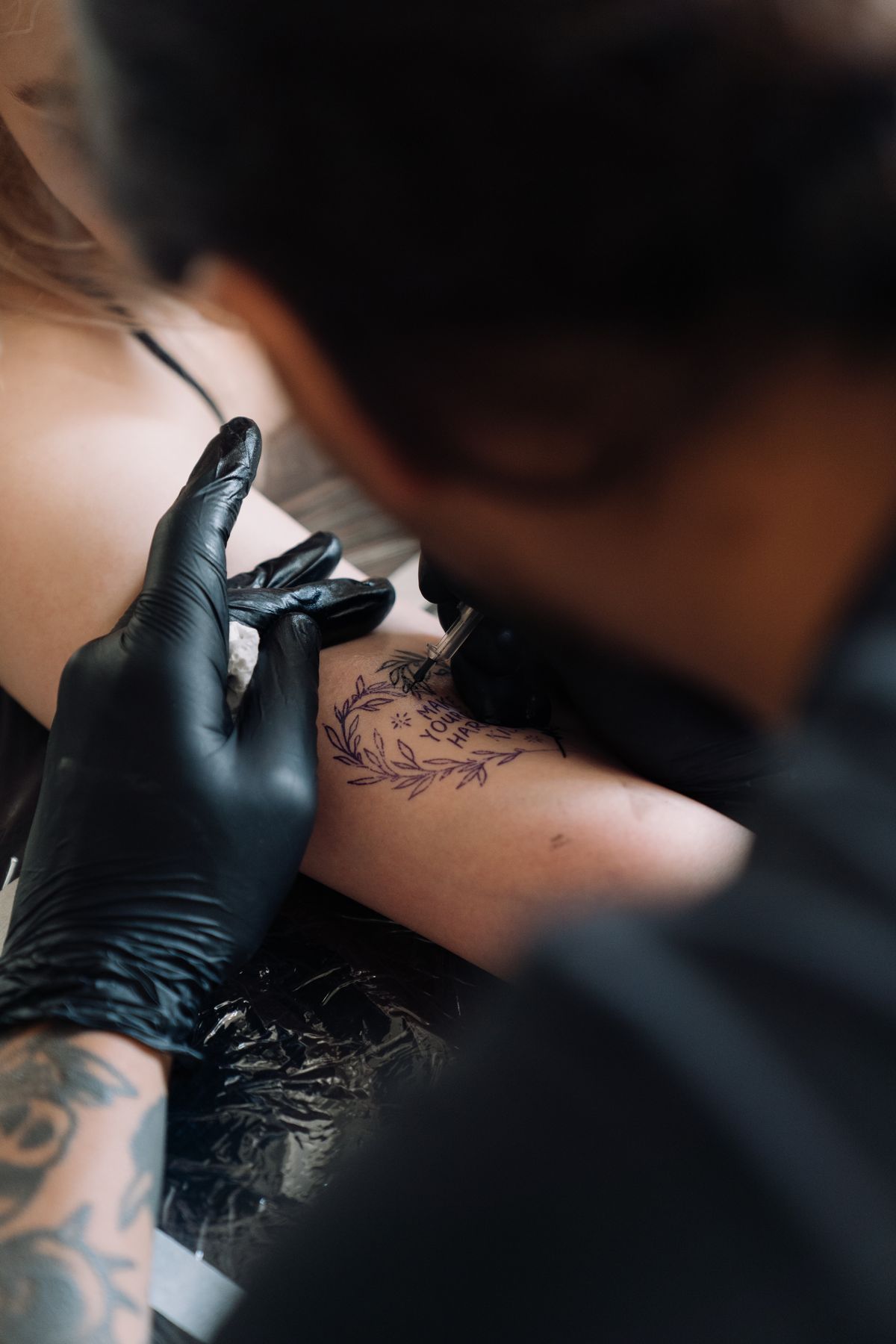
Three forces do the aging. Line spread is the body's slow work: immune cells nibble at ink particles for life, and the visual result is lines that thicken slightly and edges that soften. Sunlight is the accelerant, breaking down pigment, which is why a tattoo on a sun-exposed forearm can look older than a same-day piece on a covered ribcage, and why sunscreen on healed tattoos is the single highest-value habit in this entire comparison. Skin change is the third: weight shifts, muscle change, and the natural loss of elasticity move and loosen the canvas. Fine line work is most exposed to all three because it starts with the least margin. Bold work's margin is precisely its design.
Choosing by design, not by trend
The practical selection goes design first. A botanical piece with room to breathe, done at a generous size by an artist who specializes in fine line, is a reasonable long-term bet, especially on a lower-sun placement. A small, dense, text-heavy piece is where fine line goes to fail, and the same content set bolder, slightly larger, will read at a distance in twenty years. Black and grey work in both styles follows the same logic: soft shading fades toward the faintest tones first, so contrast built into the design, true darks against true lights, survives better than a design living entirely in middle greys. Artists who do both styles, as a shop offering black and grey and color work like Hidden Dagger Tattoo does, can show you healed photos. Ask for healed work, years old, not fresh photos. Fresh tattoos all look immortal.
The middle path
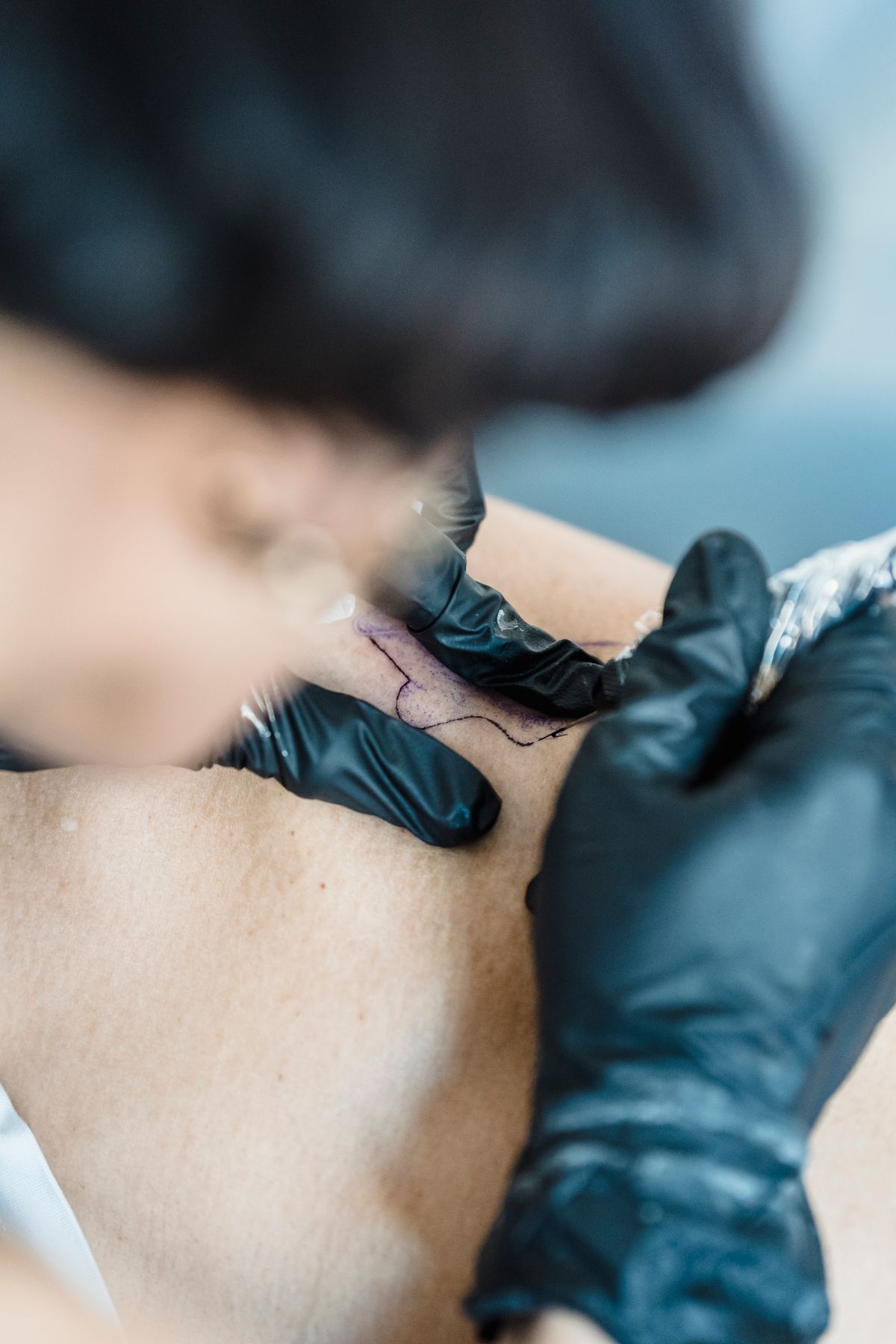
Plenty of strong work is neither extreme. Medium line weight with selectively bold anchors, fine detail carried inside a structure of stronger lines, gives a piece delicacy where you look closely and legibility from across the room. If your heart is set on fine line, the longevity levers are size, spacing, placement, and sun care, in that order, plus an artist whose healed portfolio proves they know how to pull those levers. Style is not a bet against time. It is a negotiation with it, and both sides of this table can win if the design respects the terms.
Common questions
Will a fine line tattoo disappear?
No, but it can fade and blur unevenly, losing legibility in the tightest details. Generous sizing, real spacing, and sun protection are what keep fine work reading clearly over the years.
Do bold tattoos hurt more?
Not meaningfully. Bold work often involves more passes for packed color or black, which can lengthen a session, but the per-minute sensation is comparable. Session length, not style, is the main comfort variable.
Can a faded fine line piece be fixed later?
Often, yes, with a touch-up or rework that strengthens lines and contrast. Severely blurred detail has limits, which is why artists suggest rework earlier, while the original structure is still traceable.
Photos in this guide are representative stock images.
← All guides from Hidden Dagger Tattoo← Back to Hidden Dagger Tattoo