Ask about numbing cream in any Charlotte tattoo studio and you will get a more complicated answer than the internet gives. The products work, within limits. They also change the skin the artist has to work in, they wear off on their own schedule rather than the session's, and many shops have policies about them that clients discover too late, at the chair, with cream already applied. None of this makes numbing cream a bad idea. It makes it a conversation to have before the appointment, not a surprise to bring to one.
Here is what artists are actually weighing, and the checklist to run through first.
How numbing products interact with the work
Topical numbing creams, typically lidocaine-based, are applied before the session and absorbed through the skin. Their effect on tattooing is twofold. Some artists find that numbed skin changes texture, turning slightly rubbery or swollen, which can affect how lines sit and how the skin takes ink, particularly for fine detail. Others work on numbed skin without complaint. The second effect is timing: a cream applied at home may peak early and fade mid-session, and pain that arrives suddenly at hour two, after a numb start, can hit harder psychologically than pain that built gradually from the first line. Reapplication mid-session is generally not possible once the skin is broken, which is why session length matters so much in this decision.
The numbing-cream checklist
- Ask the shop's policy before buying anything; some artists decline numbed skin, and that answer governs
- Tell your artist exactly which product you used or plan to use, since strengths and ingredients vary widely
- Follow the product's application timing precisely; too early and it fades mid-piece, too late and it never takes hold
- Match the plan to session length: numbing suits shorter sessions far better than multi-hour sittings
- Patch-test any new product on unbroken skin days ahead, since a reaction on tattoo day cancels the appointment
- Never apply cream to broken skin or a healing tattoo unless a medical professional directed it
- Have a non-cream plan as backup: pacing, breaks, breathing, and splitting the piece into sessions
The policies you will run into
Shop policies vary because artist experience varies. Some artists are fine with client-applied cream disclosed in advance. Some sell or apply an approved product themselves so they control the product, the strength, and the timing. Some decline, particularly for fine-line work where skin texture matters most. All three positions are defensible, and none of them is a judgment about your pain tolerance. The one move that reliably goes badly is arriving with undisclosed cream on the skin, since the artist cannot plan around a variable they do not know about, and discovering it mid-session can mean rescheduling work you already numbed for. At a consultation with a shop like Hidden Dagger Tattoo, raise it the way you would raise any other plan for the session.
What else actually manages pain
The unglamorous list outperforms most products. Sleep the night before. Eat a real meal. Hydrate. Skip the alcohol beforehand. Choose placement with sensitivity in mind, since the difference between ribs and outer arm is larger than any cream's effect. Book a session length you can sit, and split big work without embarrassment; artists prefer two good sessions to one endured badly, because a client who is flinching and faint is a client whose lines suffer. During the session, steady breathing and unclenching the rest of your body genuinely change the experience, and asking for a short break is normal practice, not weakness. Pain management is mostly session design, and session design is a conversation you are allowed to have. Clients sometimes hesitate to raise any of this, as if managing pain were a character test. Artists do not see it that way. A client who is comfortable sits still, heals predictably, and comes back for the next piece, which is the outcome everyone in the room is working toward.
Common questions
Will numbing cream ruin my tattoo?
Not automatically, but it can change skin texture and complicate fine work, and undisclosed use is the real problem. Disclosed in advance and approved by your artist, it is one option among several.
How long does numbing cream last?
Typically a window of a few hours at most, varying by product and placement, and it cannot be reapplied once tattooing has broken the skin. That window is why it suits shorter sessions best.
What if I have a low pain tolerance?
Say so at the consultation. Artists adjust placement suggestions, session length, and pacing for honest clients every week, and a smaller piece in a low-sensitivity spot is a perfectly good first tattoo.
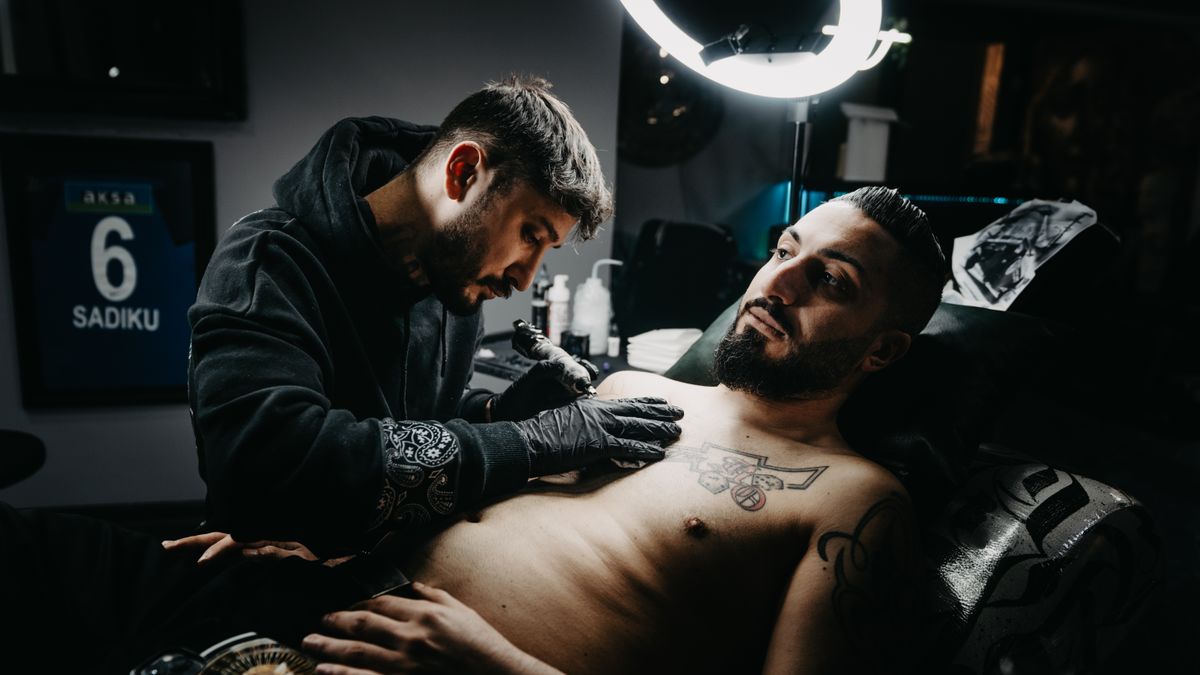
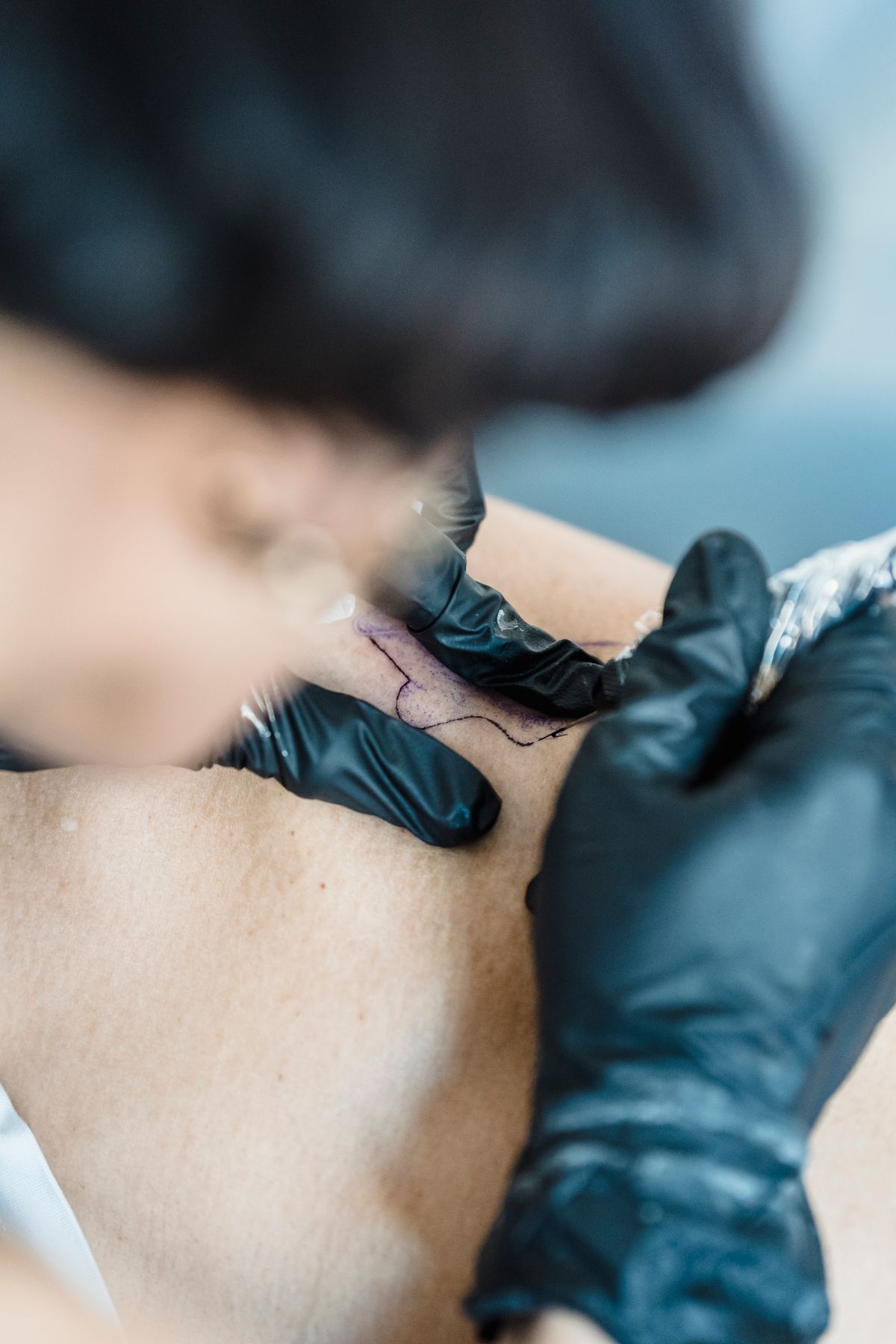
Photos in this guide are representative stock images.
← All guides from Hidden Dagger Tattoo← Back to Hidden Dagger Tattoo