A new piercing is, in plain terms, a wound with jewelry in it, and it heals the way wounds heal: from the outside in, on its own schedule, best when it is kept clean and left alone. Almost every piercing problem you will hear about traces back to the opposite approach, too much touching, too much product, too much impatience. If you are getting pierced in Charlotte and want the boring, healthy outcome, the routine below is the whole job.
Walk it in order, from the chair to the weeks after.
- Leave the studio with the starter jewelry in place. Initial jewelry is deliberately a little long, especially for cartilage and lip piercings, to leave room for normal swelling. It will look oversized within a week or two. That extra length is a feature of the healing plan, not a mistake to correct early.
- Clean with sterile saline, once or twice a day. Spray or soak the area with sterile saline solution, soften and gently remove any crust, and pat dry with clean gauze or a fresh paper towel. That is the entire cleaning routine. Saline matches the body's own salt balance, so it cleans without irritating the tissue doing the healing.
- Touch it only with freshly washed hands, which is to say almost never. Do not rotate the jewelry, do not twist it to keep it from sticking, and do not check the healing hourly. Modern aftercare has dropped the old twisting advice entirely; movement tears the fragile new tissue forming inside the channel and restarts the clock.
- Keep everything else off it. No alcohol, no peroxide, no ointments, no tea tree oil. Harsh antiseptics damage healing tissue along with bacteria, and ointments seal the area and trap moisture. Hair products, makeup, and sunscreen stay clear of a healing piercing for the same reason.
- Mind the mechanical insults. Sleep on the other side, keep a phone off a healing ear, and watch for snags from hair, hats, and mask straps. A piercing that is healing beautifully can be set back weeks by one hard snag, because the channel tears before it hurts enough to warn you.
- Do not swim in it early. Pools, lakes, hot tubs, and the ocean are bacteria baths to an open channel. Showers are fine and encouraged; submersion waits until your piercer clears it, which is a matter of weeks to months depending on placement.
- Downsize on schedule. Once initial swelling is gone, typically several weeks in, the long starter post becomes a liability: it moves more, snags more, and can tilt the angle of the piercing. A downsizing appointment swaps in a shorter post for the rest of healing. Skipping it is one of the most common causes of irritation bumps.
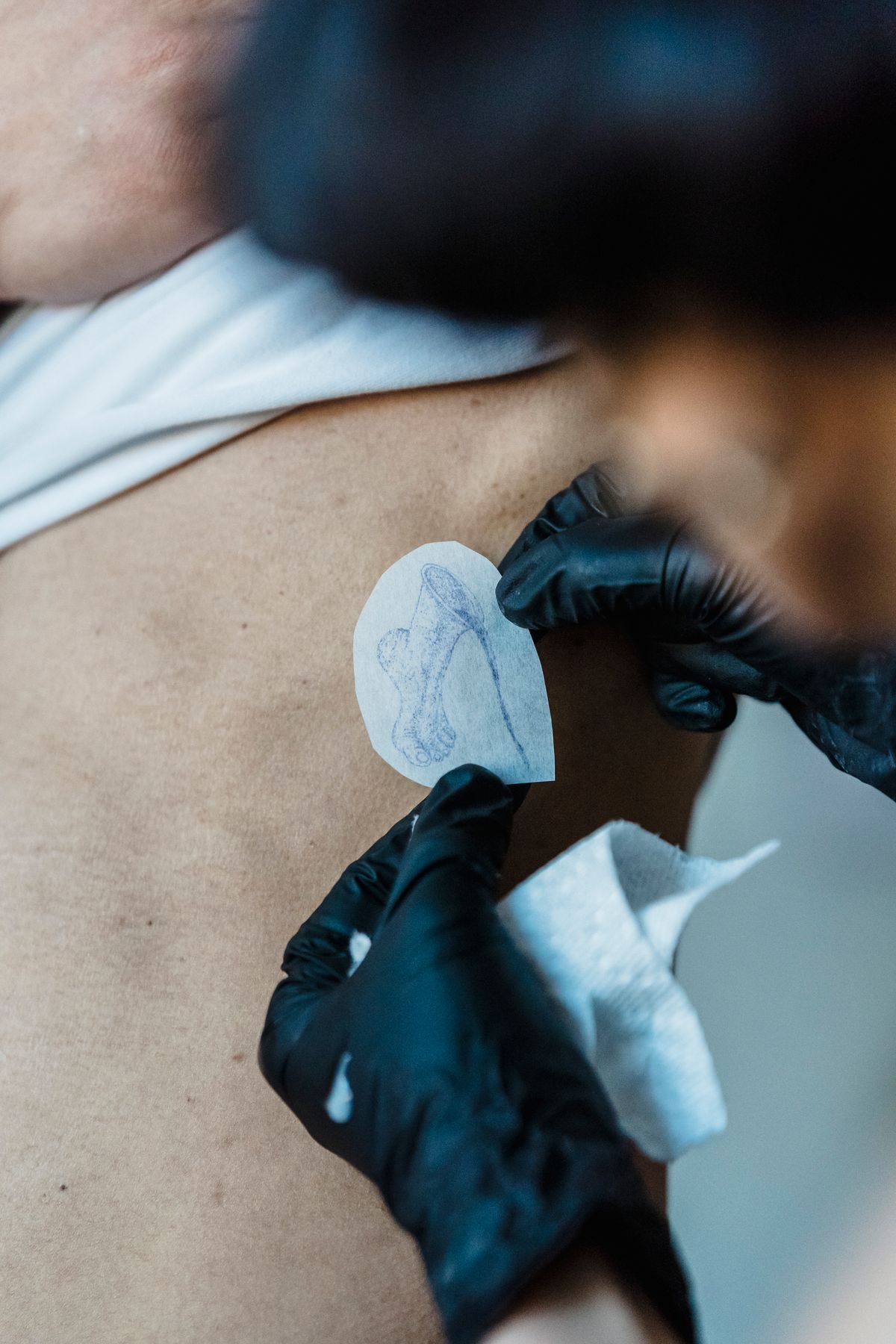
Timelines, in honest general terms
Healing times vary by placement more than by person. Earlobes are the fastest, usually a couple of months. Cartilage piercings through the ear's firm tissue take much longer, often six months to a year, because cartilage has a poor blood supply and heals slowly. Nostril and navel piercings sit in between, commonly several months. The trap is that a piercing looks and feels healed from the outside well before the channel inside is finished, so feeling fine at week four is not a signal to change jewelry, swim, or stop cleaning. Your piercer's timeline, not your optimism, governs the milestones.
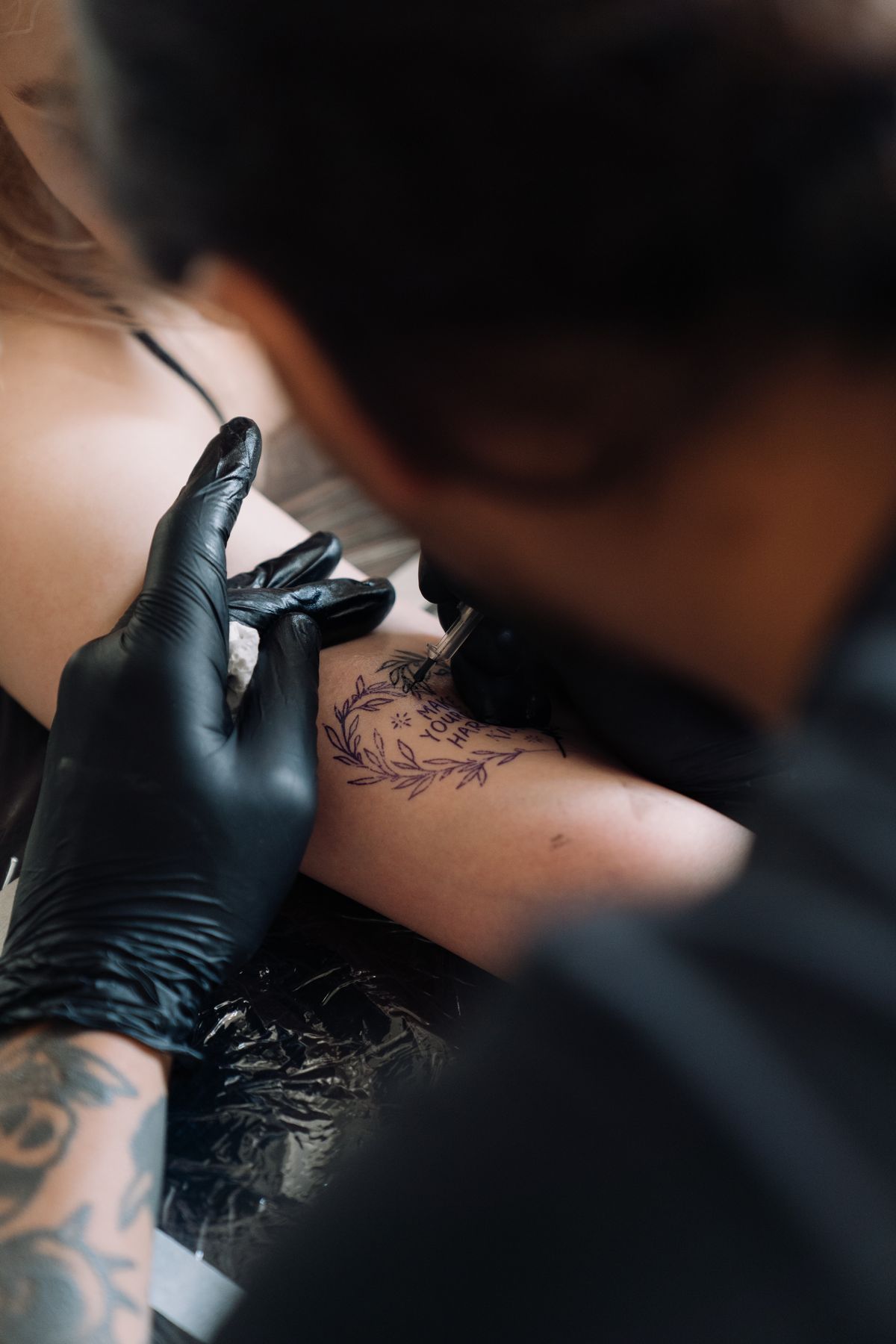
Irritation is not infection
Most piercing scares are irritation: a bump, redness, and tenderness caused by pressure, snagging, moisture, or jewelry that needs downsizing. Irritation responds to removing the cause, saline, and patience. Actual infection is rarer and looks different: spreading redness, heat, swelling that increases after the first days, throbbing pain, and yellow or green discharge. That combination deserves medical attention promptly, and the standing advice is to leave the jewelry in while you seek it, since removing it can let the surface close over an infection. When in doubt, ask the studio first. A shop that offers consultations, as Hidden Dagger Tattoo does among its services, would rather see a worried client at week two than a bad outcome at week eight.
Common questions
Can I change the jewelry once it stops hurting?
Not yet. Pain fades long before the channel finishes healing inside. Wait for your piercer's timeline for that placement, and let the studio do the first change and the downsizing.
What do I clean with if I run out of saline?
Clean water and leaving it alone beats any substitute product. Restock sterile saline rather than improvising with salt mixtures, which are easy to mix too strong and irritate the piercing.
Is a little crust and clear fluid normal?
Yes. Crust is dried lymph, a normal part of healing, and it softens away during saline cleaning. Picking it off dry tears new tissue, which is why the soak comes first.
Photos in this guide are representative stock images.
← All guides from Hidden Dagger Tattoo← Back to Hidden Dagger Tattoo